


5 Industries Being Transformed By Mobile Technology
Mobile technology is no longer just about phones, apps, or checking emails on the move.
Instead, mobile technology is being used to help workers do their jobs across a range of industries. From tracking inventory in warehouses to delivering healthcare services, people use tablets and other mobile technology to gather data, update records, collect payments, communicate, and complete their tasks remotely.
This is because more work now happens away from a traditional desk. Many workers need to access information, update records, and complete tasks while they're moving between locations.
Quick Answer
- A tablet can be used to connect workers to their task information.
- One of the biggest advantages with tablets is that you get a bigger screen than a phone, but greater mobility than a laptop.
- Healthcare, retail, logistics, field service, and education are leading the way in this shift.
- The biggest benefit is not the hardware itself. It's the faster access to records, task information, customers, and communication.
- For many businesses, mobile tech means fewer delays in the overall workflow process.
Full Blog: How Mobile Technology Is Changing Modern Work
Why Mobile Technology Matters Now
The key thing to remember about mobile technology is that not all workers have desk jobs.
For example, doctors and nurses visit patients. Retail teams work across sales floors. Warehouse workers sort and monitor stock in real time. Field service workers travel between sites. Teachers and students attend lectures in classrooms, labs, and remote learning spaces.
In each of these situations, tablets and mobile devices allow the workers to gain access to information while working away from a desk. As reported by the U.S. Chamber of Commerce, technology platforms make businesses more productive, efficient, competitive, and responsive to the needs of customers.
1. Healthcare
One industry that shows the benefits of mobile technology clearly is healthcare.
From clinical notes to patient history, drug databases, training materials, and collaboration tools, healthcare workers can leverage the power of their tablets to enhance their work experience.
Studies have shown that mobile technologies can offer healthcare professionals increased access to relevant information, facilitate evidence-based decision-making in healthcare practice, and increase the efficiency and effectiveness of healthcare provision, although the strength of evidence varies by use case.
The biggest benefit in healthcare comes down to speed. Rather than having to rely on memory, manual writing, or returning to an office workstation to update their information, healthcare workers can complete their tasks while actually with the patient.
2. Retail
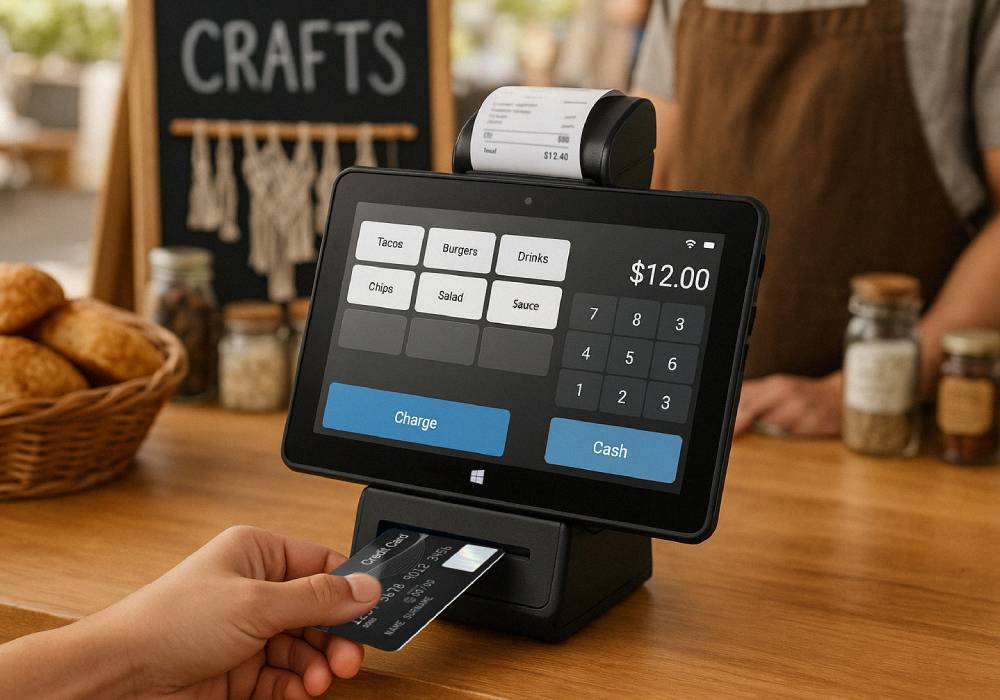
Retail teams use mobile technology for stock checks, mobile checkout, customer service, order lookup, and inventory updates.
Think about a customer asking whether a different size is available, whether a product is in stock at another location, or when an online order will be ready for collection. In the past, staff often had to leave the customer, walk to a back office computer, or call another department to find the answer.
With a tablet or mobile device, staff can often check inventory, look up product details, verify orders, or even process a purchase directly from the shop floor. Instead of waiting several minutes for an answer, customers can get the information they need almost immediately.
This can create a smoother shopping experience because staff spend less time walking back and forth and more time helping customers, answering questions, and completing sales.
3. Logistics And Warehousing
Logistics and warehouse teams depend on accurate information because one small mistake can affect the whole order. If the wrong item is picked, the wrong stock level is shown, or a delivery update is missed, it can lead to delays, returns, or unhappy customers.
Mobile devices are useful because workers can scan items, check stock, update deliveries, and confirm proof of delivery while they’re actually doing the job. Warehouse mobile technology is also being shaped by better barcode standards and connected workflows across manufacturing, retail, healthcare, and food processing.
For this industry, mobile technology helps reduce paper-based work and makes it easier to update systems while items are actually moving.
4. Field Service
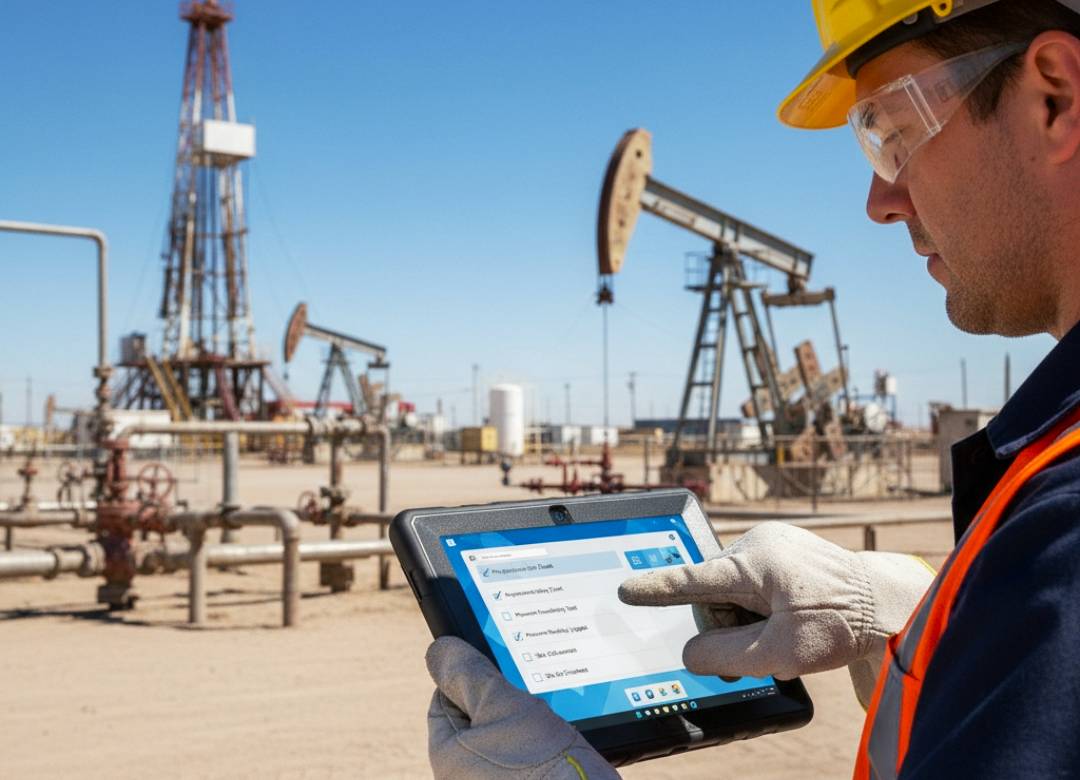
Field service teams are a strong fit for tablets because their work happens away from the office.
Technicians, maintenance workers, installers, inspectors, and repair teams often need job details, checklists, manuals, customer signatures, route information, and service notes.
Mobile field service tools can digitize assignments, checklists, route planning, documentation, and customer updates.
A tablet can be useful here because it gives workers more screen space than a phone while staying easier to carry than a laptop.
5. Education And Training
Tablets have become useful in education because they support reading, research, digital worksheets, video lessons, classroom apps, and remote learning.
For students, this can mean carrying one device instead of multiple textbooks, accessing learning materials instantly, and continuing lessons whether they're in a classroom, library, or at home. Teachers can share assignments, presentations, videos, and feedback digitally, making it easier to keep learning materials organised and accessible.
The biggest advantage is the flexibility you get. A tablet can move between classrooms, training rooms, job sites, and home learning spaces more easily than a traditional desktop, or even laptop setup.
Where Tablets Fit Best
The Fusion5 Point Of View
A better way to think about mobile technology is this: some jobs happen at a desk, but a lot of work doesn’t.
A retail worker may need product information on the shop floor. A technician may need a service checklist at a job site. A teacher may need lesson materials in different rooms. A warehouse worker may need to scan stock while walking the aisles.
This is where a tablet really makes a lot of practical sense. It’s not trying to be the perfect device for every job. But it’s designed for the moments when a phone doesn't provide enough screen space, a laptop isn't practical to carry around, and the work is happening on the move.
FAQ
What is mobile technology in business?
Mobile technology means portable devices and tools, such as tablets, smartphones, mobile apps, and connected systems, used to complete work away from a fixed desk.
Which industries use tablets the most?
Healthcare, retail, logistics, field service, education, hospitality, and construction are common examples.
Why do businesses use tablets?
Businesses use tablets because they are portable, easy to carry, and useful for forms, records, communication, presentations, inventory, and customer-facing work.
Can tablets replace laptops at work?
For some jobs, yes. Tablets can work well for mobile tasks, forms, meetings, and cloud-based tools. Desk-heavy work may still be easier on a laptop.
Are Windows tablets useful for business?
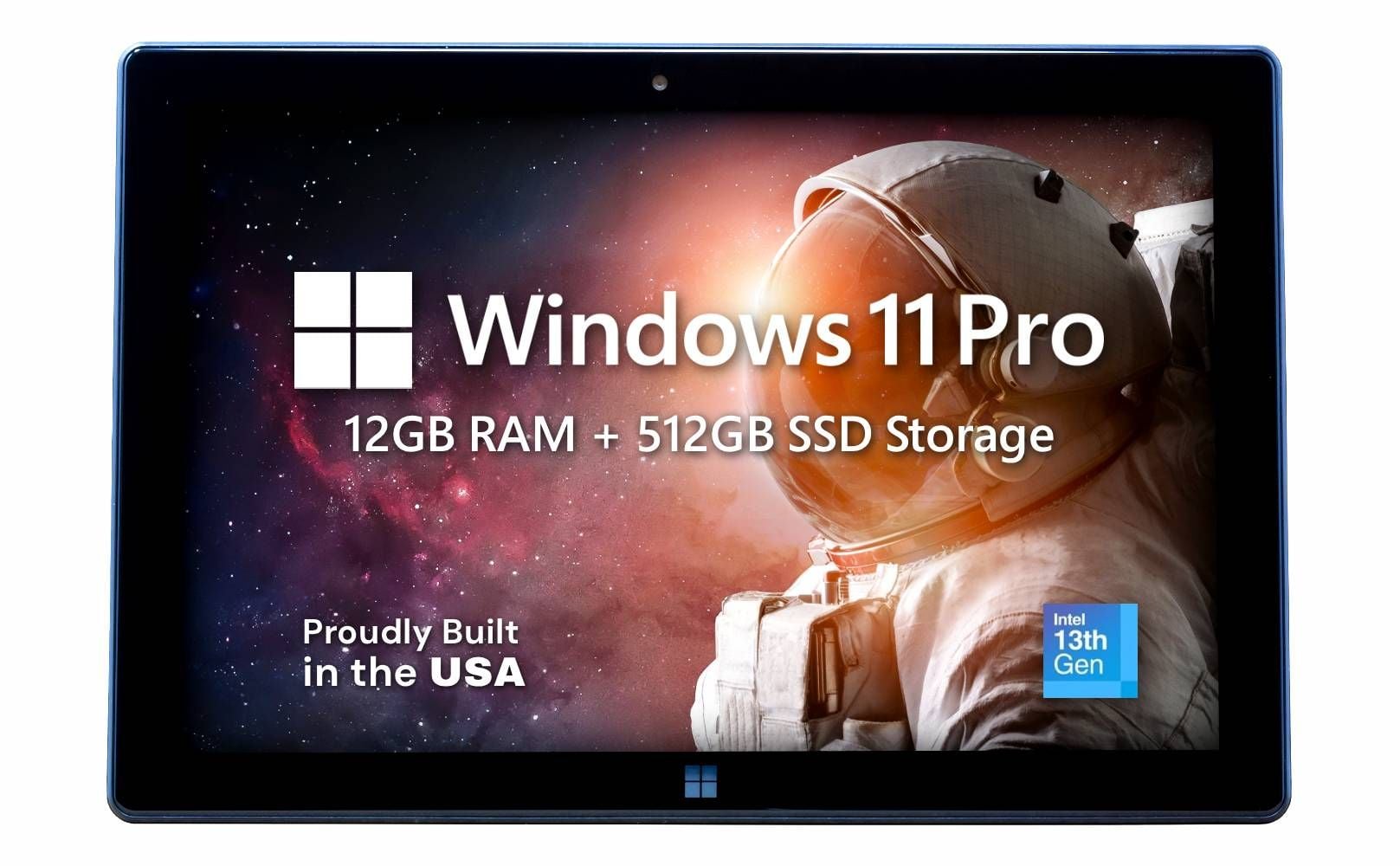
Yes. A Windows tablet can be useful when a business needs portability along with access to familiar Windows software and workflows.