

The Environmental Impact of Windows Tablets for Everyday Users
Do you remember the last time you thought about the environment while writing an email, eSigning a document, or making an online payment? Possibly not.
Surprisingly enough, a significant amount of common household waste is a result of our daily digital activities, which are derived from a whole host of non-sustainable practices.
In that respect, a Windows tablet makes a lot more sense than most people think.
A good Windows tablet will allow you to carry out more everyday tasks in a more efficient, neater, paperless and portable way. And it can also make you more productive, more organised and reduce the need for multiple devices.
Read on to discover the more practical and efficient habits a Windows tablet can support compared with a larger desktop or laptop.
Full Blog: How a Windows Tablet Can Help You Cut Waste and Simplify Everyday Life
Less Printing, Less Paper, Less Clutter
We’ve got a few ideas about how a Windows tablet can help eliminate the need for unnecessary pieces of paper. The truth is many of us print forms, bills, labels, instructions, notes and documents on a regular basis, simply because it feels faster to do so at the time.
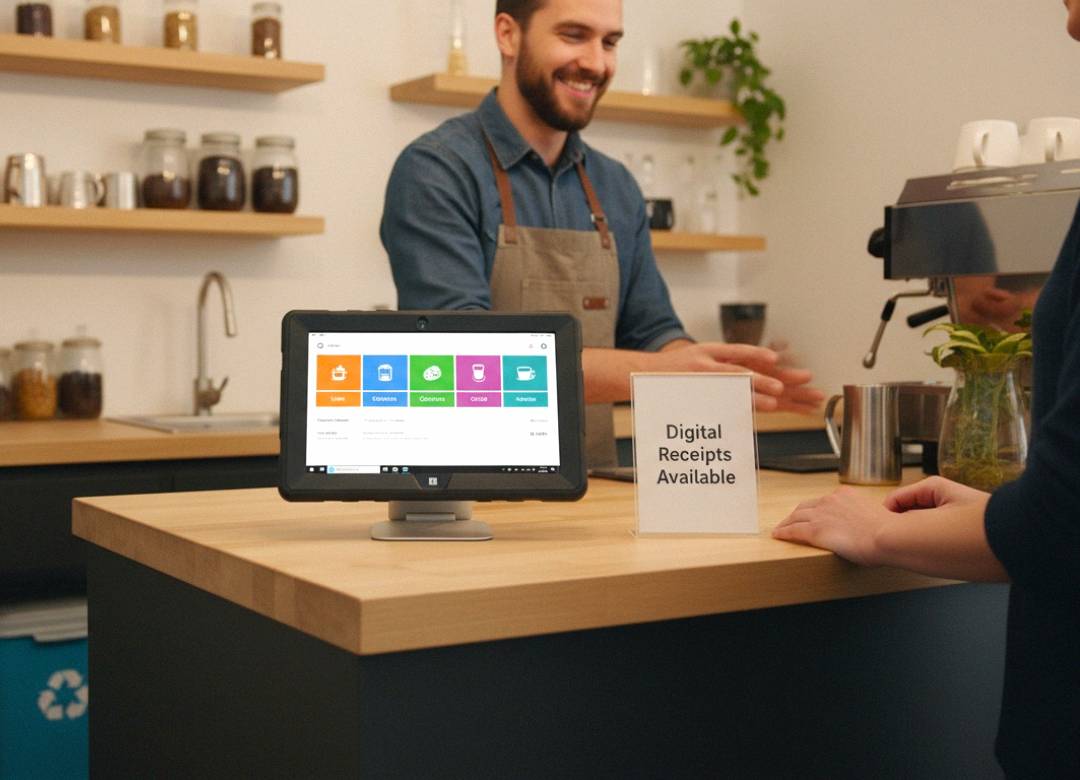
All that convenience comes with a price. There are the piles of receipts we promise to one day use to track expenses, the instruction manuals for appliances we've never assembled or used, the notes we've written and rewritten and photographed on our phones.
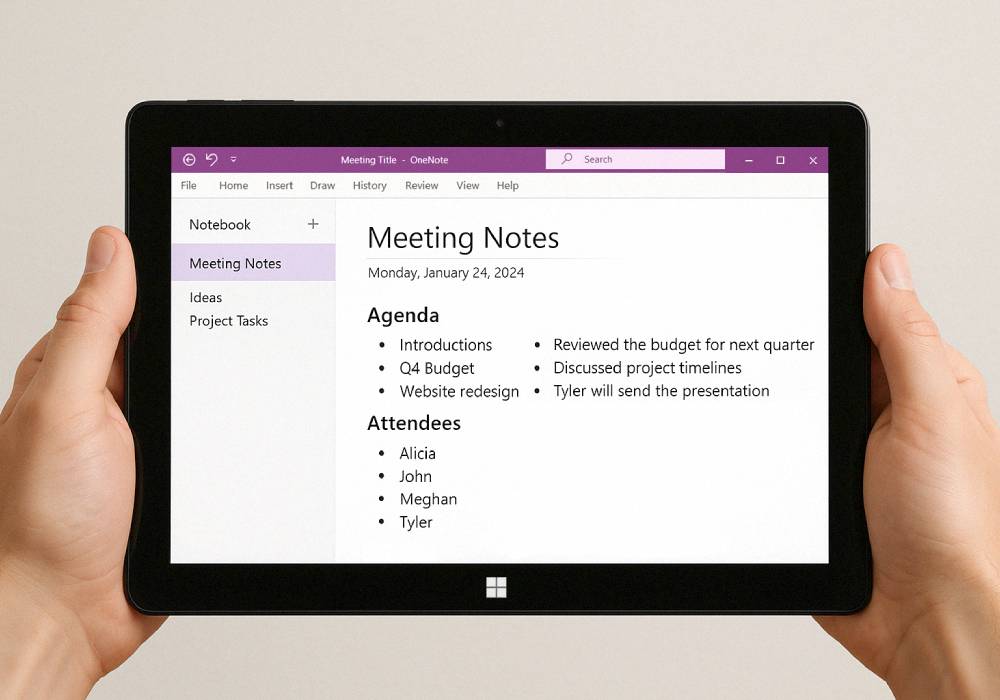
Our Windows tablets integrate a range of functionalities and eliminate the need for excessive printing of documents. Rather than printing something to review, sign, store, or return to later, you can keep everything digital from the start – with no paper, ink or mess.
A Better Match for Everyday Tasks
There’s a common trend of using a larger device to perform a multitude of small tasks. Checking emails. Reading PDFs. Paying bills. Joining video calls. Taking a few notes. Signing a document. Watching a tutorial while doing something else.
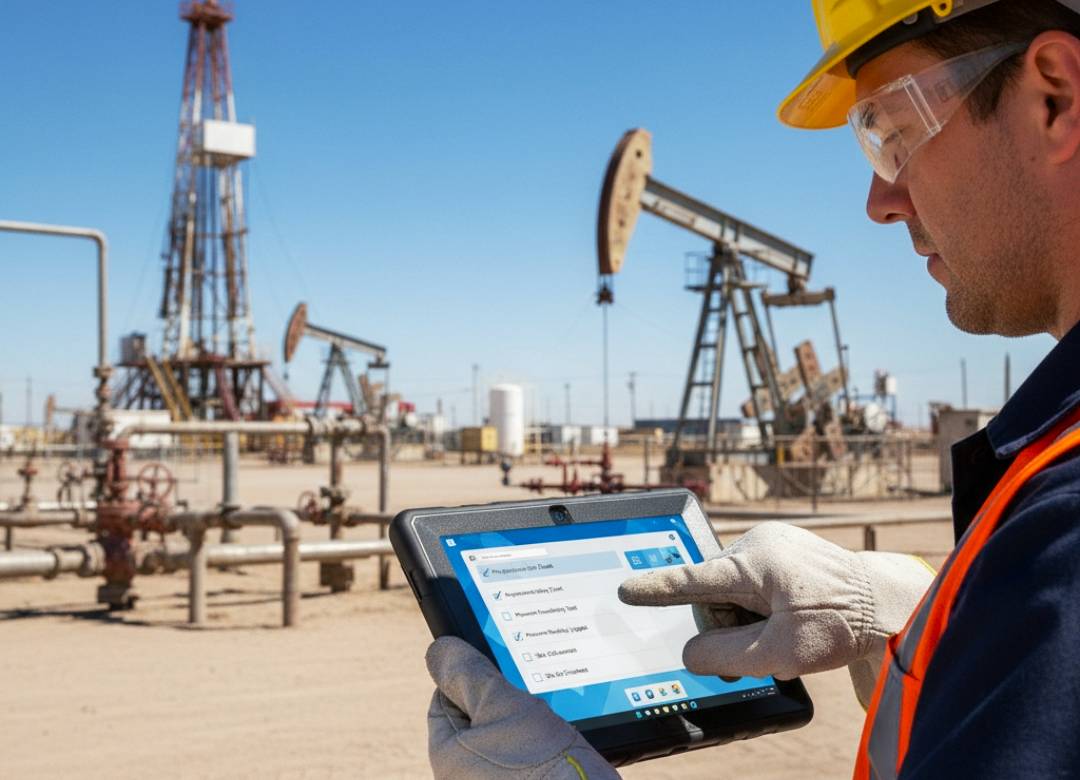
For tasks like these, a Windows tablet can often be a more sensible fit than opening a full desktop setup or carrying around a heavier laptop. It gives you the tools you need in a lighter, more portable format that is easier to reach for throughout the day.
That ease of use matters. The easier it is to stay digital, the less likely you are to fall back on habits that create extra waste, extra duplication, and extra clutter.
Fewer Devices, Fewer Duplicates
Another practical advantage of a Windows tablet is that it can help reduce overlap between the different tools you use every day.
A lot of people have one device for work, another for travel, paper notebooks for reminders, printed documents for reference, and a desktop or laptop for everything else. The result is often a mixture of devices, accessories, chargers, and paperwork that all serve similar purposes.
A Windows tablet can help simplify that. For many users, it can handle notes, browsing, video calls, document viewing, online admin, streaming, and light productivity in one place.
That doesn’t mean it replaces every computer for every person. But it can reduce the need for extra purchases, extra accessories, and duplicate ways of doing the same thing.
A More Flexible Way to Get Things Done
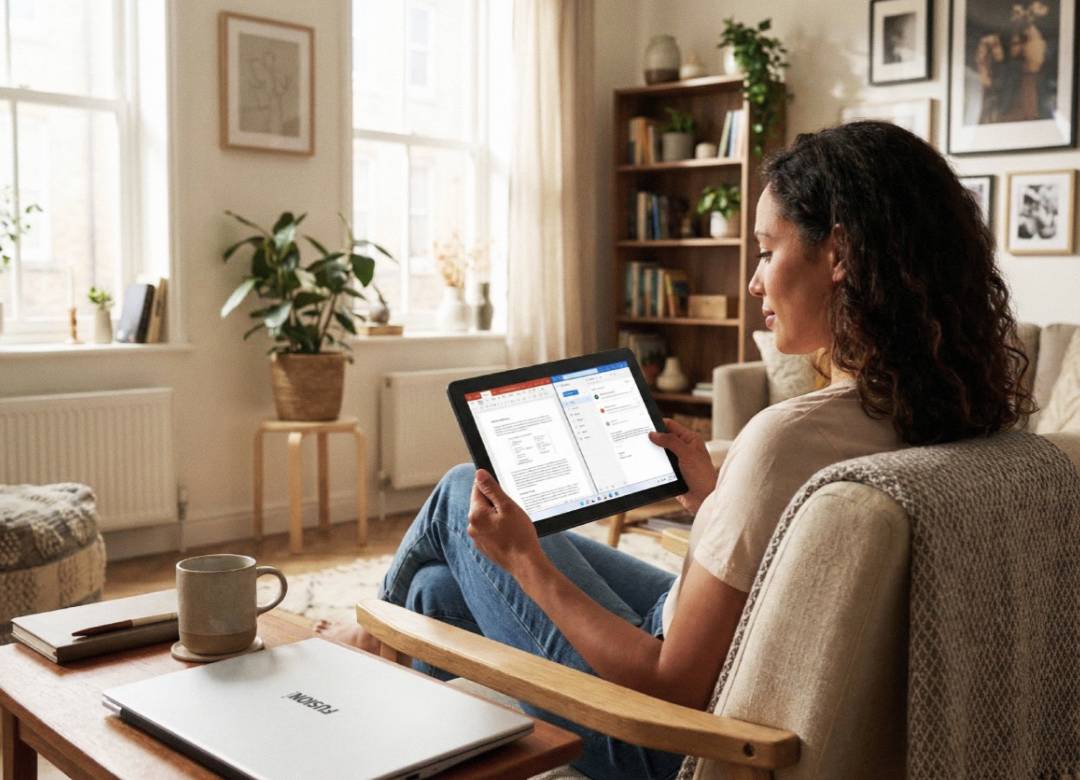
A Windows tablet can also make everyday life more flexible. You can review a document on the sofa, respond to emails while travelling, join a meeting from a different room, or handle admin while waiting for an appointment.
That kind of flexibility is not just convenient. It can also help reduce the need for unnecessary trips, repeated errands, or returning to the same task later because the right device was not with you at the time.
For people trying to work more efficiently at home, on the move, or in a hybrid routine, that can make a real difference.
A Smarter Way to Think About Everyday Sustainability
A Windows tablet is not a magic fix, and it is not completely impact-free. But for the right person, it can support more efficient daily habits that create less waste and less friction.
Less printing. Less paper clutter. Fewer overlapping devices. More flexibility in how and where tasks get done.
Sometimes sustainability doesn’t begin with a major lifestyle change. Sometimes it starts with choosing a device that helps you do everyday things in a cleaner, simpler, and more practical way.