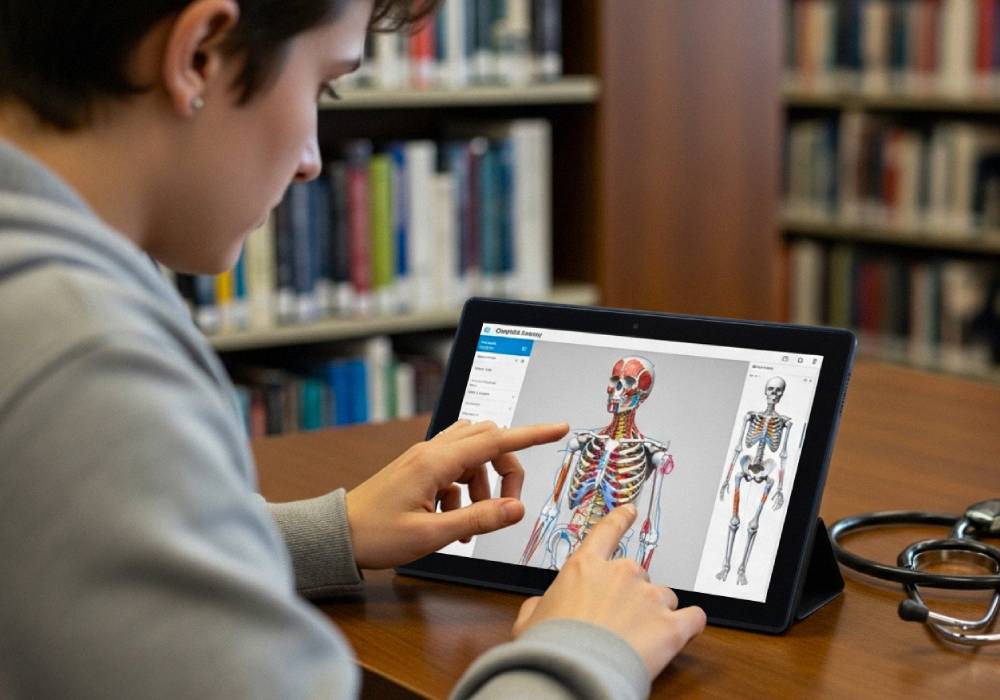


Portable Vital Sign Monitoring in Home Health: Why Windows Tablets Are the New Standard
Most people think a “Windows tablet” means basic stuff like email, web browsing, Word/Excel, maybe Zoom. In the home health and RPM (Remote Patient Monitoring) industries, Windows tablets are being used for more than just “computer tasks.”
They have become an actual work tool used during home patient care. Used in the same way a clipboard, phone, and office computer used to be used, but now all in one device, right in the patient’s home.
In this blog we break down how that works in practice and what features matter most for field use.
Full Blog: How Windows Tablets Power Portable Vital Signs Monitoring for In-Home Care
What RPM Actually Means
Remote Patient Monitoring is just what it sounds like. It’s a way to collect patient health data readings using digital tools right in a patient’s home. That data is then sent to a care team for review, all remotely.
The point is consistency. A single blood pressure reading is helpful, but trends across days are what drive important health decisions.
Most RPM and home health processes track basics such as blood pressure, oxygen saturation (SpO2), pulse, weight, and temperature, depending on the care plan. The key is that the data is captured in a repeatable way and shared quickly.
The Tablet Is the Hub, Not the Sensor
In portable vital sign monitoring, tablets are mainly being used as hubs to work directly on monitoring apps and patient health portals, guide the steps on proper procedures, record the patient’s live readings, and send the data back to the platform to update.
Measuring the actual data comes from connected medical devices plugged directly into the tablet via the USB ports or adaptors. Common sensors used to track health vitals are blood pressure cuffs, pulse oximeters, scales, and thermometers.
Tablets are helping to provide point of care documentation, that is the real-time recording of patient health data using electronic devices.
Why Performance and Reliability Matter
When a tablet is used daily in patient care processes, reliability becomes critical. Field staff often move between documentation forms, monitoring dashboards, and communication tools within a single visit. Slow devices create delays that impact productivity.
A healthcare tablet must support multitasking, stable connectivity, and accessory pairing. RAM and fast SSD storage help prevent lag. A bright display improves visibility in different home environments. WiFi ensures data syncs correctly. Bluetooth and USB support allow connection to peripheral devices used in RPM setups.
The Fusion5 Pro N5 is built for such demands. It runs a full Windows 11 Pro OS, with an Intel Alder Lake N100 (13th Gen), with 12GB RAM and a 512GB SSD for smooth performance. The 10.1 inch 1920x1200 IPS touchscreen reaches up to 500 nits brightness. Dual Full HD cameras support telehealth and documentation. Dual band WiFi and Bluetooth 5.0 support stable connectivity. It’s also assembled in the USA in Pasco County, Florida and expanding, supporting scalable deployment.
Windows tablets are helping healthcare professionals to focus less on managing devices, and more on delivering consistent, patient centered care right where it matters most.